Your Body Isn’t Failing — It’s Responding

Your Body Isn’t Failing — It’s Responding
Your Body Isn’t Failing — It’s Responding

When a Horse Rider feels tense, uneven, unstable, or physically exhausted after riding, the immediate assumption is usually failure.

“I should be stronger.”
“I should be fitter.”
“I should be able to hold this by now.”

But what if your body isn’t failing at all?

What if it’s responding — intelligently and predictably — to everything it has experienced so far?

What if it’s responding — intelligently and predictably — to everything it has experienced so far?

Every Horse Rider carries history into the saddle. Not just riding history, but physical and emotional history.

  • Old injuries that were never fully resolved
  • Long hours sitting at a desk
  • Protective tension after a fall
  • Subtle instability in transitions
  • Stress carried through the shoulders from life outside the yard

None of that disappears when you mount your horse.

The body does not reset when you pick up the reins. It organises itself according to what feels safest and most stable in that moment.

When something feels uncertain, the nervous system makes adjustments:

  • It tightens
  • It braces
  • It redistributes effort
  • It creates control where it perceives instability

That is not failure.
That is response.

Understanding that distinction changes everything for a Horse Rider. Because when you believe your body is failing, you fight it. When you understand your body is responding, you begin to work with it instead.

A Horse Rider’s Body Is Designed for Stability, Not Aesthetics

The primary job of the body is safety.

Not elegance.
Not symmetry.
Not textbook posture.

If at any point a Horse Rider experiences instability — even briefly — the body adapts.

  • A small loss of balance in canter
  • A tense moment in sitting trot
  • A horse that spooks unpredictably
  • A landing after a jump that felt heavier than expected
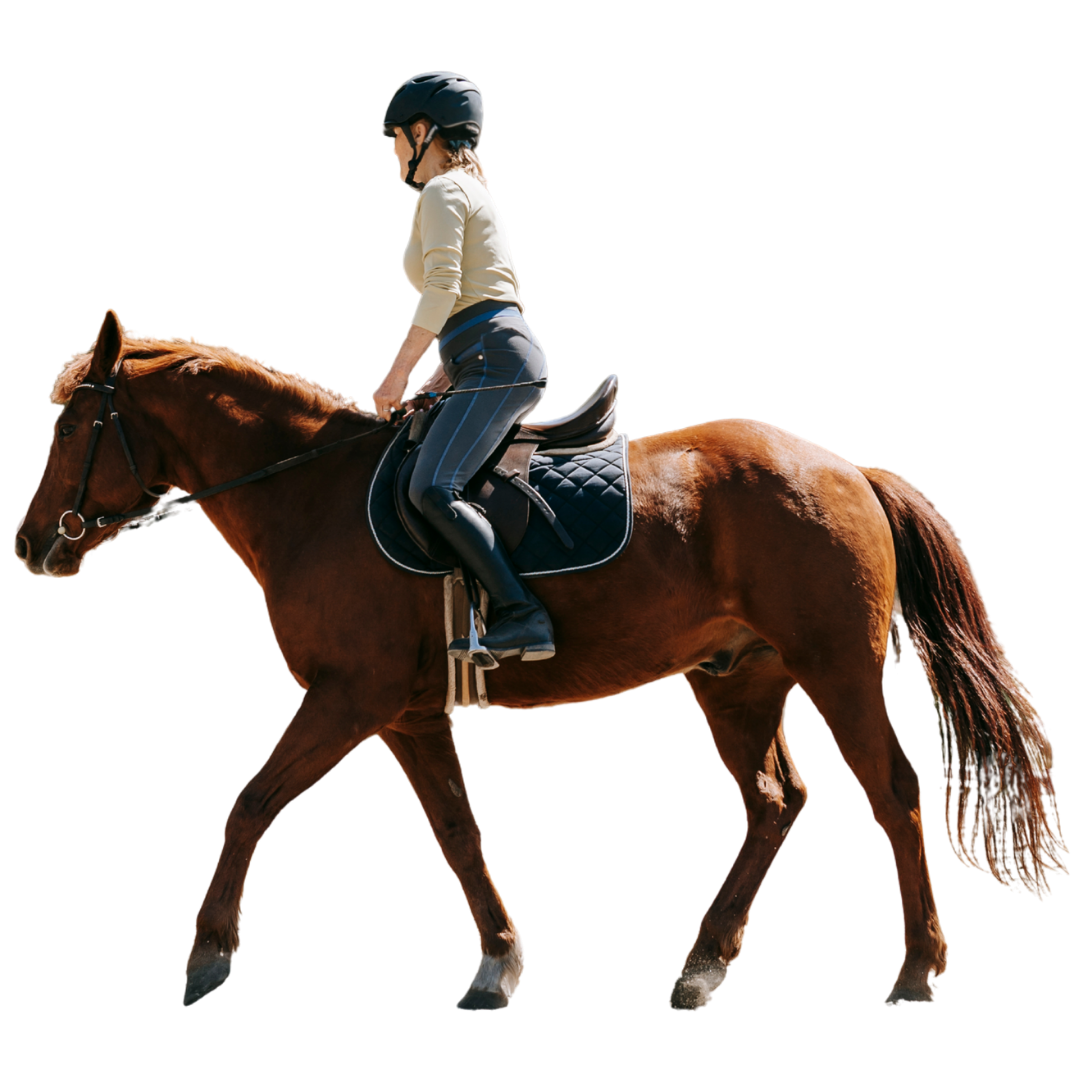
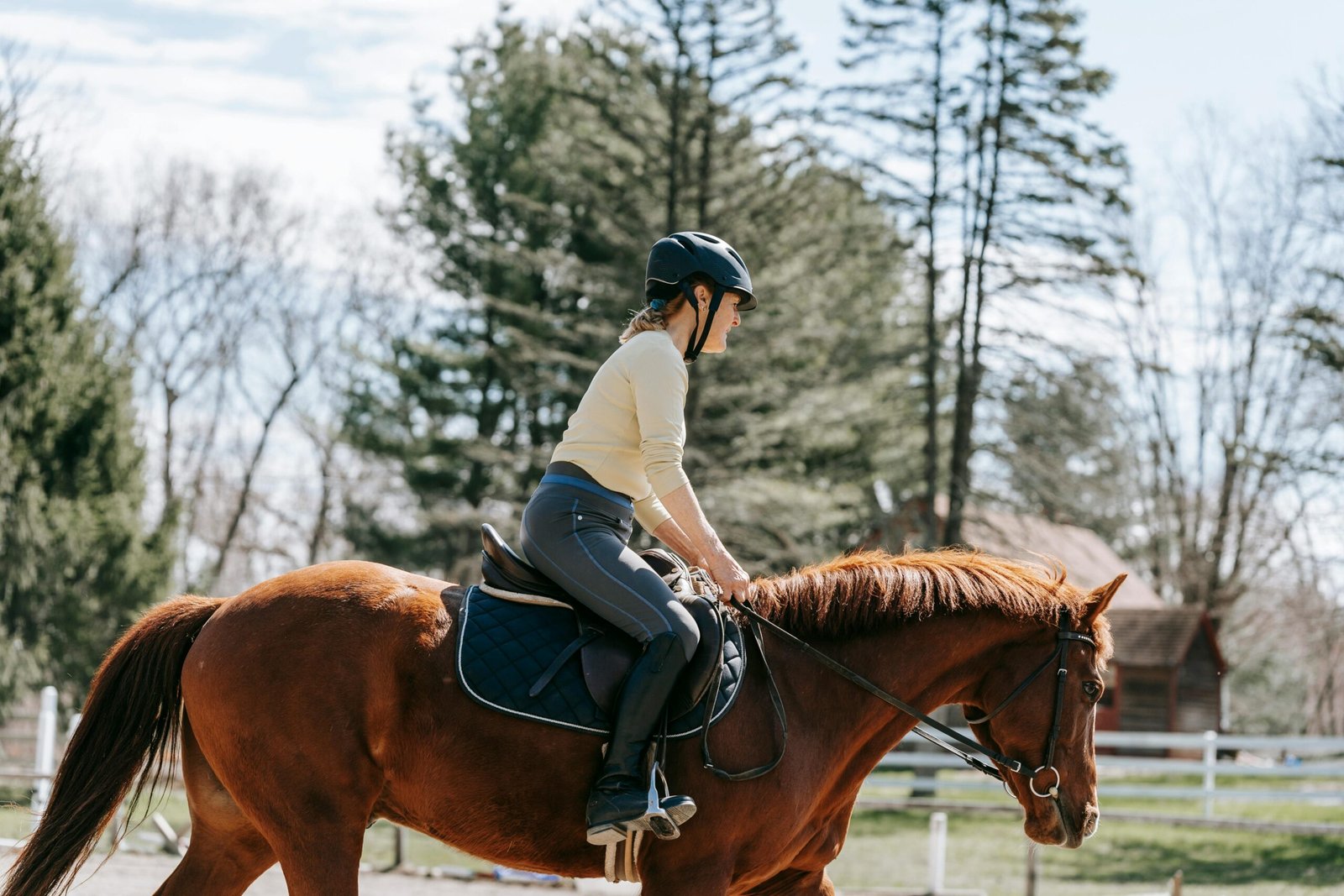
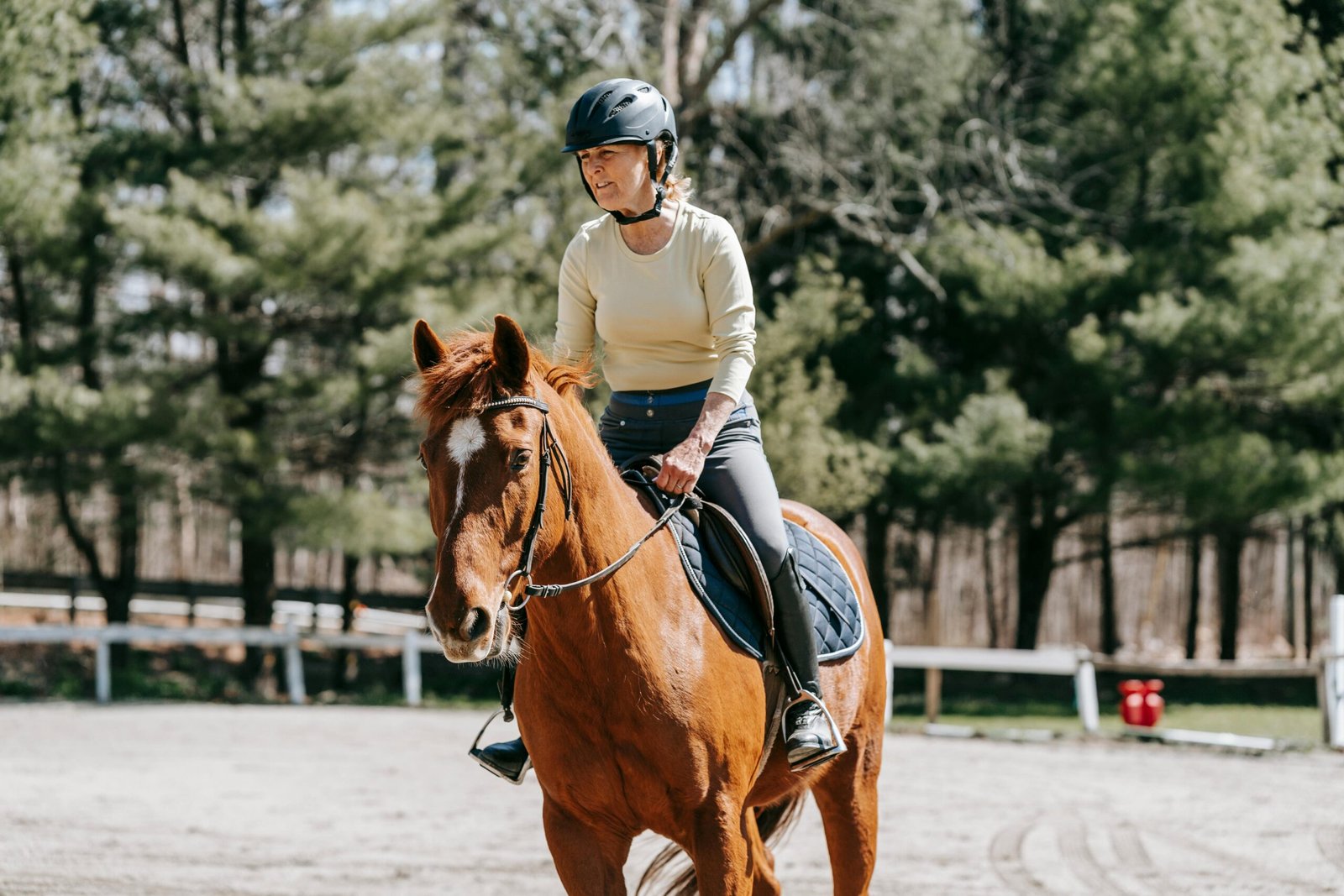
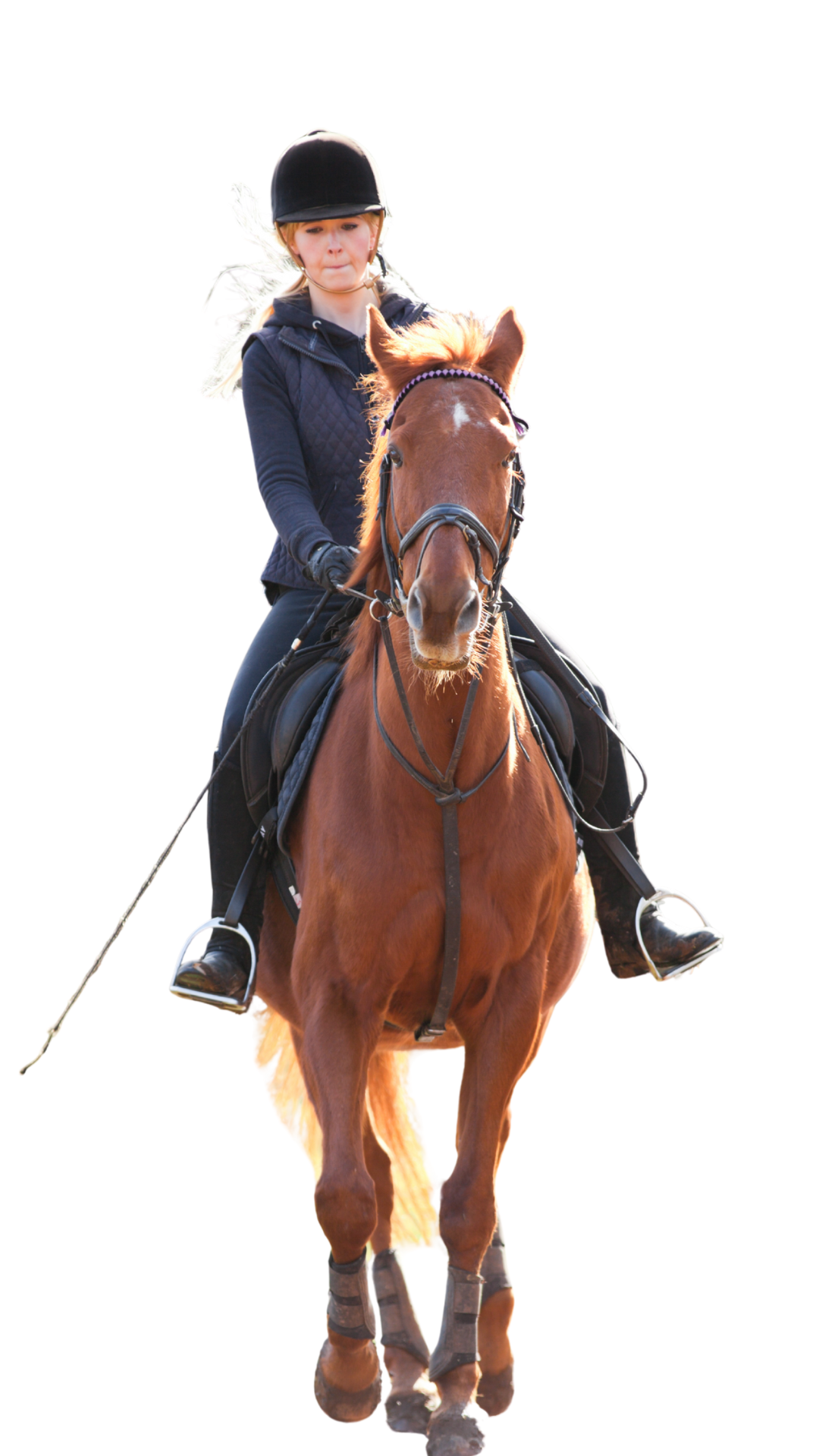
Rider on a horse in nature.

Each of these experiences teaches the nervous system something.

It teaches the body how to prevent that instability next time.

For one Horse Rider, that might mean tightening through the shoulders. For another, it might mean gripping with the knees. For another, it might mean collapsing slightly to reduce muscular demand.

These adjustments are not conscious choices. They are rapid protective strategies.

Over time, those strategies become habits.

  • A Horse Rider who grips is not weak
  • A Horse Rider who collapses through one side is not careless
  • A Horse Rider who struggles to maintain a consistent position is not incapable

The body is simply prioritising stability over refinement.

The difficulty is that what once helped the Horse Rider feel secure can later restrict fluidity, coordination, and endurance. The protective strategy remains long after the original instability has passed.

Adaptation Is Intelligence, Not Dysfunction

Adaptation is often mistaken for dysfunction.

If a Horse Rider has ever experienced discomfort in one hip, the body may subtly shift weight away from that side. If a Horse Rider works long hours seated, the hips and thoracic spine adapt to that posture. If a Horse Rider rides a forward or reactive horse, the nervous system may remain slightly heightened in anticipation.

These patterns are not errors.
They are intelligent responses to demand.

  • When a Horse Rider is told to “relax,” but their nervous system still perceives instability, relaxation feels unsafe.
  • When a Horse Rider is told to “sit taller,” but the body lacks endurance to maintain it, upright posture feels exhausting.
  • When a Horse Rider is asked to soften their hands, but tension exists further up the kinetic chain, the instruction cannot sustain itself.

The problem is not that the body adapted. The problem is that adaptation became the default.

The nervous system always chooses safety over instruction.

This is why so many Horse Riders feel they understand what they are being told, yet cannot hold it consistently. The body is not resisting the instruction. It is protecting itself.

Why Trying Harder Often Makes It Worse for a Horse Rider

The natural reaction to difficulty is effort.

A Horse Rider:

  • Concentrates harder
  • Engages more muscles
  • Tries to control more deliberately

For a few strides, it appears to work.
The position improves.
The outline sharpens.
The corrections stick.
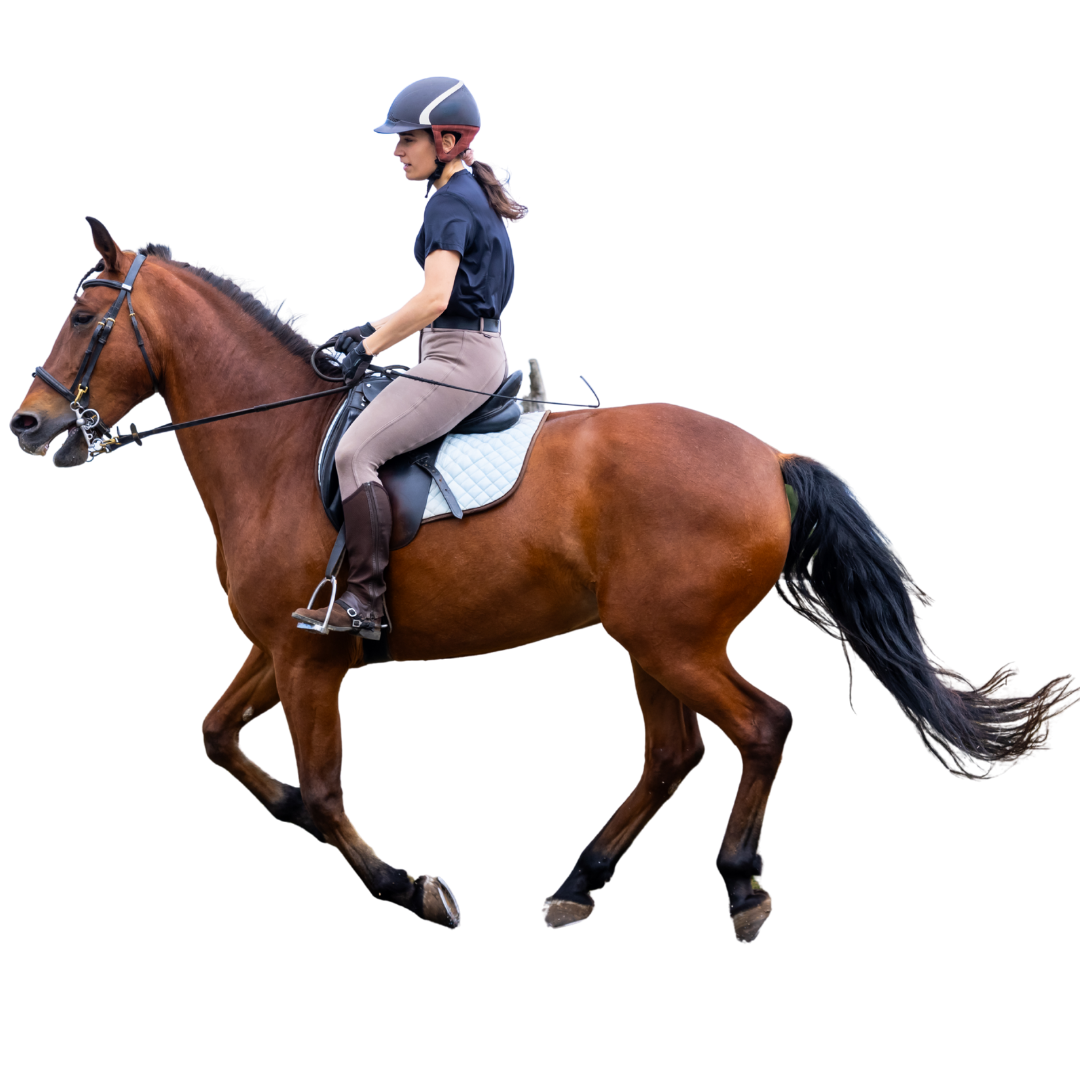
Then the old pattern returns.

Not because the Horse Rider lacks discipline.
Because effort layered on top of protection reinforces tension.

If the body believes it must brace to remain stable, asking it to relax without increasing stability feels risky. If the body believes gripping prevents imbalance, asking it to release without addressing underlying control feels unsafe.

Trying harder does not override the nervous system. It amplifies it.

This is why a Horse Rider can feel increasingly fatigued despite improving fitness:

  • Compensatory muscles work overtime
  • Smaller stabilisers fail to contribute effectively
  • Larger muscles dominate to maintain control

The result is exhaustion without elegance.

The Horse Rider experiences this as frustration.
The body experiences it as necessary.

The Difference Between Failure and Response in a Horse Rider
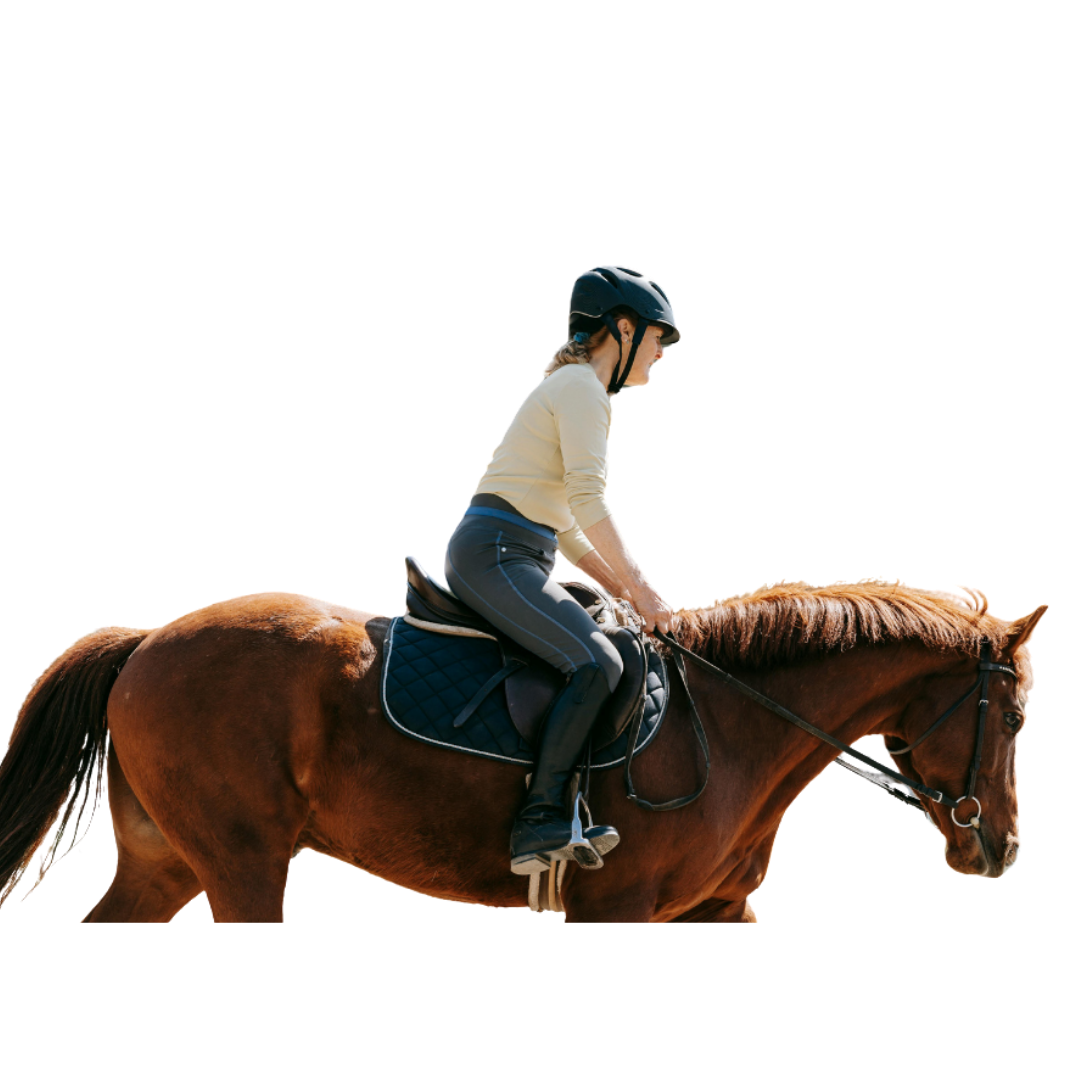
Failure suggests inability.
Response suggests logic.

When a Horse Rider collapses slightly through one side, the body may be offloading tension from a previously irritated joint. When a Horse Rider lifts their shoulders during transitions, the body may be preparing for unpredictability. When a Horse Rider feels uneven in the reins, the imbalance may originate in pelvic stability rather than hand position.

These are not random behaviours.
They are organised adaptations.

The body constantly redistributes effort to solve perceived problems:

  • If one area lacks stability, another compensates
  • If coordination is inconsistent, tension increases to create control
  • If balance feels uncertain, the body stiffens to reduce movement variability

The Horse Rider interprets this as a flaw.
The body interprets it as survival.

Once a Horse Rider understands this, the internal dialogue changes.

Instead of “Why can’t I do this?” the question becomes:
👉 “What is my body protecting me from?”

That question shifts the entire approach to improvement.

What Changes When a Horse Rider Stops Assuming Failure

When a Horse Rider recognises that their body is responding rather than failing, something subtle but powerful happens:

  • Blame reduces
  • Curiosity increases

Instead of suppressing tension, the Horse Rider investigates it. Instead of forcing posture, they examine stability. Instead of chasing perfection, they build capacity.

This is where meaningful progress begins.

The body does not need to be forced into better position. It needs to feel secure enough to reorganise.

  • Stability must precede softness
  • Support must precede strength
  • Regulation must precede refinement

As those foundations improve, visible riding changes begin to occur almost quietly:

  • Balance becomes less dramatic
  • Transitions feel smoother
  • Endurance improves without excessive fatigue

The Horse Rider no longer feels as though they are fighting themselves.

Riding becomes quieter.

And that quietness is often the clearest sign that the body no longer feels under threat.
A Horse Rider Improves by Working With the Body, Not Against It

True improvement does not begin with correction.
It begins with understanding.

When a Horse Rider works with their body rather than against it:

  • Adaptation becomes information instead of limitation
  • Tension becomes feedback instead of frustration
  • Imbalance becomes a signal rather than a flaw

The body is not the enemy of progress.
It is the mechanism through which progress happens.

Your body is not failing you.
It is responding to everything it has learned so far.

But understanding that idea is only the starting point.

If your body is responding rather than failing, the real question becomes:

  • Where are you bracing when the pace increases?
  • Where do you collapse when fatigue sets in?
  • Where does tension rise before you consciously notice it?

Those patterns are not random.
They are organised responses.

And until you can see them clearly, you’ll keep trying to fix symptoms rather than causes.

That’s exactly why I created “How I Assess Rider Movement — and What It Shows Me.”

It gives you insight into the specific movements I use to assess a Horse Rider, and what those patterns reveal about how your body is organising itself in the saddle.

If you’d like that insight, sign up to the RiderCise newsletter using  below and I’ll send it straight to your inbox.

If you’re already on my mailing list and would like it resent, email me at clare@ridercise.co.uk and I’ll send it over.

Understand first. Then build properly.

Improve Your Riding: If Riding Still Feels Harder Than It Should, Here’s Why

Improve Your Riding: If Riding Still Feels Harder Than It Should, Here’s Why

Improve Your Riding: If Riding Still Feels Harder Than It Should, Here’s Why

If you’re actively trying to improve your riding, but it still feels harder than it should, you’re not alone — and more importantly, you’re not doing anything wrong.

Many riders reach a point where progress quietly slows down or feels inconsistent. Lessons are still happening. You’re still showing up. You might even be stronger, fitter, or more experienced than you were before. And yet riding feels effortful in a way that’s hard to explain. Not dramatic. Just heavier. Noisier. Less fluid than it used to be.

Some days things feel fine. Other days you feel unbalanced, tense, or strangely disconnected from your body. You understand what your instructor is asking for, but your body doesn’t seem able to maintain it for long. Or you leave the yard physically tired rather than mentally satisfied, even after an otherwise “good” ride.

This is often when self-doubt creeps in.
Why does this still feel so hard?
Why does my body not do what I know it should?
Why does it feel like I’m fighting myself?

The issue here isn’t effort, discipline, or commitment. It’s that improving your riding requires more than riding more or trying harder. It requires understanding what your body has learned to do over time — and why it defaults to those patterns when you ride.

Improve Your Riding by Understanding What Your Body Is Doing

To genuinely improve your riding, you have to move beyond surface-level correction and cues, and start understanding how your body is organising itself in the saddle.

Your body doesn’t arrive on the horse as a blank slate. It brings with it years of experiences — not just from riding, but from life. How you sit at a desk. How you carry stress. How you’ve protected yourself through injury, fatigue, or uncertainty. All of that shapes how your body stabilises, balances, and reacts when you ride.

This is why two riders can be told the same thing in a lesson and have completely different experiences. One can apply it easily. The other understands it but cannot sustain it. That difference isn’t talent or effort — it’s organisation.

When riding feels harder than it should, it’s rarely because you’re incapable. More often, your body is quietly compensating — redistributing effort, tension, or balance to get the job done in the safest way it knows how. Until those compensations are understood, effort alone won’t resolve them.

Improve Your Riding Starts With Recognising Adaptation

Your body is designed to adapt. That’s how it keeps you upright, functioning, and safe.

If you’ve ever protected one side after an injury, braced to feel secure, tightened to stay in control, or collapsed to reduce effort, those responses weren’t mistakes. They were intelligent solutions at the time. Your body found a way to cope with the demands placed on it.

The problem is that the body doesn’t automatically discard those solutions once circumstances change.

Over time, short-term strategies become long-term habits. Habits become default movement patterns. And those patterns show up every time you ride, regardless of what you intend to do.

This is why being told to “relax” or “sit taller” can feel impossible. Your body isn’t ignoring instruction — it’s prioritising what feels familiar and safe. Recognising this removes blame and creates the foundation for real change.

Diagram showing asymmetry in a horse rider’s posture while sitting in the saddle

Why Trying Harder Doesn’t Always Improve Your Riding

One of the most frustrating experiences as a rider is doing more and feeling like you’re getting nowhere.

You concentrate harder. You apply more effort. You ride more deliberately. And yet the same issues keep resurfacing. Sometimes they even feel more pronounced the more you try to fix them.

This happens because effort doesn’t override adaptation.

If your body doesn’t have the stability, coordination, or awareness to maintain a position, trying harder simply reinforces compensation. You might hold something briefly, but it will feel forced and unstable. As soon as attention drops, the body reverts to what it knows.

This is why riders often feel they can “find it” for a moment, then lose it again. The issue isn’t understanding or motivation. It’s that the body doesn’t yet have the capacity to support what’s being asked.

Horse rider gripping and bracing in the saddle while trying to maintain balance

Improve Your Riding by Addressing the Root Cause, Not the Symptom

Most riders end up focusing on symptoms.

Uneven reins.
Collapsing through one side.
Gripping with the legs.
Losing balance in transitions.

But symptoms are signals. They’re the result of something else happening underneath.

When you chase symptoms, progress stays temporary. You fix one thing, another pops up. You feel like you’re constantly managing issues rather than moving forward.

Symptom

⬇️

Pattern

⬇️

Root Cause

When you address the root cause — how your body is organising itself and why — change becomes more stable. Positions feel easier to maintain. Balance becomes less effortful. Riding starts to feel quieter again.

How to Improve Your Riding Without Forcing Change

Lasting improvement doesn’t come from forcing your body into a shape it can’t maintain.

It comes from a clear order:
awareness first,
support second,
strength built on top.

When awareness comes first, you begin to notice patterns without judging them. When the body feels supported, it’s willing to change. Strength layered on top of that support actually transfers into the saddle, rather than being overridden by old habits.

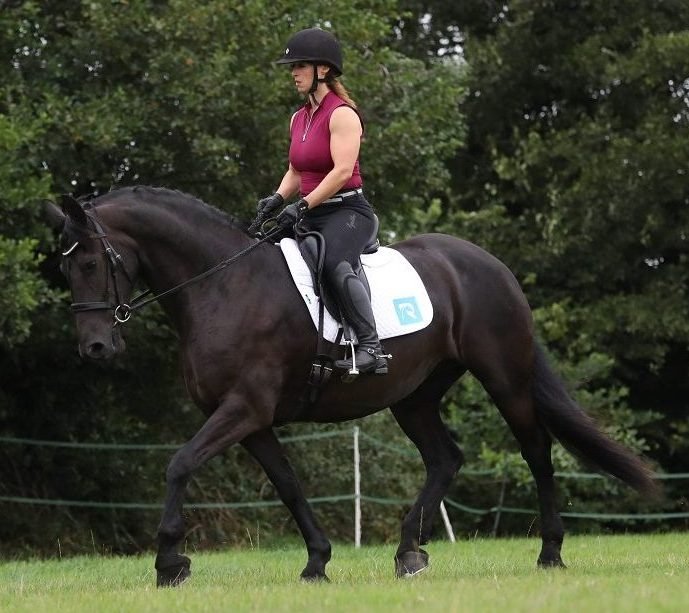
Clare riding Annick - Ridden Sessions

Riders often describe this as riding feeling lighter. Not because they’re doing less, but because their body isn’t fighting itself anymore.

Improve Your Riding Starts With Understanding

If riding still feels harder than it should, it doesn’t mean you’re failing.

It means your body has adapted — and now needs a different kind of input.

Understanding removes blame. It replaces frustration with clarity. And it creates a path forward that doesn’t rely on pushing, forcing, or starting over.

You don’t improve your riding by fighting your body.
You improve your riding by understanding it — and working with it.

If this resonates with you, the next step isn’t more effort — it’s insight.

I’ve created a free insight called “How I Assess Rider Movement — and What It Shows Me.” It walks you through the key movements I use to assess a rider off the horse, and explains what those patterns reveal about how your body is organising itself in the saddle.

To receive it, sign up to the RiderCise newsletter using the box below, and I’ll send it directly to your inbox.

If you’re already on my mailing list and would like it resent, email me at clare@ridercise.co.uk and I’ll make sure you have it.

Understand first. Then build properly.
Sally Farrall, FEI Endurance Rider – Bespoke Program Review

Sally Farrall, FEI Endurance Rider – Bespoke Program Review

Sally's Bespoke Program for Endurance Success

I have been an endurance rider for many years, competing up to FEI 2* and currently managing a team of three exceptional purebred Arabs, all at different stages of their career.

However, by the end of 2020, I had reached a breaking point. My self-belief had disappeared, and I had lost the joy of the sport. To make matters worse, I woke up in an ambulance after a particularly bad fall, suffering a severe loss of nerve.

I decided everything needed a reset—after all, “Do what you’ve always done, and you’ll get what you’ve always gotten.”

Sally Farrall riding Bash after her Bespoke Program for Endurance Success

Why I Chose RiderCise for a Bespoke Program

A friend recommended RiderCise, and I started working with Clare in March 2021. I can truly say it has changed my life.

From the very first conversation, Clare took the time to understand my situation, discuss my goals, and explain how investing in my fitness and well-being could help me achieve them. Like many riders, I had spent time and money on my horses while neglecting my own physical development. At first, I didn’t realize how much this was holding me back. However, I now fully understand that if I don’t take care of myself, I risk becoming a burden to my horses.

As a Fitness Professional, Soft Tissue Therapist, skilled rider, and horse manager, Clare provided a comprehensive approach that made training more effective, enjoyable, and sustainable.

My Experience with the Bespoke Fitness Program

To help me develop a more independent seat, Clare designed a customized program to improve my proprioception and strength. Through this, I discovered and activated muscles I had only heard of but never felt before! The changes gave me security in the saddle and a huge boost in confidence.

As a result, I’m now taking on new challenges with all three horses—tasks that, a year ago, felt completely out of reach.

One of my horses has a tendency for sudden spooks. Previously, this would have thrown me off balance, but my automatic response now is a calm, “Thank you, Clare,” as I stay securely in the saddle.

“Do What You’ve Always Done, You’ll Get What You’ve Always Gotten.”

We progressed toward specific endurance competitions, with tailored training for each ride’s terrain and distance challenges.  After every competition, we analyzed my performance, identified areas for improvement, and Clare incorporated them into the next program.

In addition to physical training, she also helped me manage nutrition challenges. I struggled to eat once adrenaline kicked in—a major issue in endurance sports. However, I now have a practical solution that works.

Because of RiderCise, I’ve felt strong throughout my competitions, and I know this has benefited my horses as well.

Most importantly, my recovery time has dramatically improved. After 40km rides, I barely feel like I’ve been on a horse, and even after longer endurance rides, I typically need just a day to feel fully recovered.

A Bespoke Program Key Benefits I Noticed:

✅ Improved Strength: Targeted workouts enhanced core and leg strength, leading to better stability in the saddle. 

✅ Enhanced Balance: Balance-focused exercises helped me maintain correct posture, even on long-distance rides.

✅ Increased Confidence: As my fitness improved, so did my self-assurance, positively impacting my riding.

Since I enjoyed the workouts so much, Clare and I decided to shift focus during the winter break. Instead of endurance-specific training, I explored strength training with weights—something I had always wanted to try but found intimidating.

I’ve long known that weight training becomes more important as we age. However, the heavier the weights, the more daunting it seemed. Thankfully, Clare taught me the correct techniques, which allowed me to build confidence and challenge myself safely.

Next winter, I’ll definitely be back to it!

Sally Review of a Bespoke Program with her Endurance horse - Sirrus

Final Thoughts on Working Directly with Clare on a Bespoke Program

Over the last 15 months, Clare has guided me through a progressive training program designed to develop strength and endurance carefully and effectively.

She has ensured that I first master technique, never feel overwhelmed, but always stay challenged enough to stay motivated.

Through regular check-ins, I have been able to refine my form, maximize results, and adapt training to evolving goals, horses, and competitions.

Clare has been there every step of the way—sharing her expertise, acting as a mentor, encouraging me, and holding me accountable (and hardly ever laughing at my laughing!).

And the best part? I’ve been able to do all of this from home.

Today, I am truly back in love with endurance riding and excitedly making future plans. RiderCise has played a huge role in this transformation.

A heartfelt thank you, Clare, for all your support so far—and long may it continue!

I am well and truly back in love with my sport and am thoroughly enjoying making plans for the future. Ridercise has played a HUGE part in this journey. A heartfelt thank you Clare for all your help so far – and long may it continue!

Sally Farrall (Sirius OS, Bashar Ibn Orion and Emeera Bint Orion)

Bespoke Program Coaching

Learn more about working directly with me on a Bespoke Program

Rekindling a Love of Riding

Rekindling a Love of Riding

Rekindling a Love of Riding - Thanks to RiderCise

RiderCise was founded on the belief that all riders, from the happiest of hackers and those new to the sport all the way up to elites and professionals, should make sure they are ‘fit to ride’. The benefits to the rider are many. They include being more stable and secure, more effective communication with the horse and increased strength and flexibility. For the horse, a rider who works on their conditioning will be a better partner than someone who is stiff, twisted, or sore. RiderCise founder Clare is on a mission to spread the word among pleasure riders and those who have taken a break from the sport. Her message – that rider-specific coaching doesn’t have to be expensive or time-consuming.

With that in mind, we’ve taken a few minutes out to have a chat with Helen Poulter, a RiderCise customer who credits the company with helping her to revive her love of riding and gave her the confidence to finally enjoy her gorgeous Fell pony.

Tell us a little bit about your equestrian background

I’m 58 years old and I’ve been a lifelong rider, although I had to wait until I was 26 before I had a pony of my own! My youngest daughter was horse mad. My riding ambitions took a back seat for a little while as we did the full ‘Pony Club’ thing for her! When I retired, I bought myself a yearling Fell pony called Lownthwaite Walnut, who is known as Wally at home.


What do you like to do with your horse?

My idea of the perfect day in the saddle is heading out to explore the beautiful countryside. The landscape of the Yorkshire Dales and surrounding areas where I live. I had bought Wally as a yearling prior to my retirement. This was so that he would eventually become my partner in crime.  I was hoping that together we would meet up with my horsey friends and ride all day. He was backed by my daughter and I sent him to be ridden away when he was 5 years old.  When he came back, I climbed on board to start our journey together.

What inspired you to try the RiderCise Programs?

As you can imagine, I was so looking forward to getting out and about on Wally. However, but it didn’t work out quite the way I had planned. Sadly, even though he was lovely and tried very hard, I had lost so much of my riding fitness and my confidence… I felt utterly useless. After a while my confidence was so shot that I was ready to sell my beloved Wally until my friend Debbie intervened. She advised me to turn Wally away for a little while.   Once I’d taken the pressure off myself with Debbie’s help and encouragement I was back riding Wally within 2 weeks. She accompanied me out hacking on one of her horses.

Around the same time, I stumbled across a RiderCise article on an endurance riding forum. Even though I was walking and cycling every week, it began to wonder if some of my problems lay in my lack of specific ‘fitness to ride’. I signed up for RiderCise and can honestly say I have never looked back – it has been transformative.

Which RiderCise program do you do and how quickly did you start to see a difference?

I did the self-guided RiderCise program (On-Demand – Now Workout Bundles) starting off with the Foundation level, which involves doing 3 workouts a week. The difference was absolutely amazing. In just 4 weeks my instructor commented on how much better I was riding. They said it was obvious it was that I was using and working the right muscles for riding. I had bought a new saddle and had previously had a biometric fitting.  I had another shortly after starting the RiderCise program and they too commented on how much change there was.

How did it make a difference to your relationship and bond with Wally?

I had previously suffered from the long-term effects of a motorbike accident in my youth and was quite twisted. With the RiderCise workouts not only was I stronger rider and more flexible, I was also so much more aware of my body and how to use it. When I got back on Wally it was really special. The changes in him and how responsive he is are brilliant. It’s all down to me having the physical ability to communicate better with him. I remember going for a proper gallop on him for the first time and just feeling happy, not scared or nervous.

How do you fit it into your daily routine?

The foundation program is just three workouts a week. When I moved onto the intermediate it was four workouts a week. They are long enough to be effective but easy to fit in around other commitments. I would never stop doing my RiderCise exercises now, they are so important to my riding and my general wellbeing. I’ve had the extra confidence to go out and do so much more too. I’ve tried a western riding clinic, gone on longer and faster rides than I have for years and I’m going to dip my toe into classical equitation. RiderCise gives you a massive return for very little investment. As an added bonus, I have lost 1.5 stone since starting!

If you could give advice to anyone similar to you thinking about doing the program, what would you say?

I would say that if you love horses and you love riding, this is the best investment you will make all year. I used to think personal training and fitness program were for professional or elite riders, but I now know that’s just not the case. Anyone who wants to be a better rider for their horse should look at their fitness, flexibility and conditioning.

How to be Confident

How to be Confident

How To Be Confident

Losing your confidence is something that many can’t grasp if they’ve never lost it. But it can and will affect nearly every one of us in one way or another. When we lose confidence in one area of our life, it affects our confidence in other areas.

How We Lose Confidence

Losing your confidence doesn’t necessarily come from having an incident in the saddle. It can occur when we have had a period out of the saddle, feedback from an instructor or individual, overhearing someone negatively talk about us, going through personal challenges and even suffering a fall at home or recovering from an illness or surgery.

As we get older, we are more likely to lose our confidence as we start to notice the signs of aging such as your hair going grey, getting wrinkles, hormone levels starting to diminish and play havoc with your moods, your outlook on life and maintain or losing weight becomes a battle. We also start to notice the things we could once do with great ease are no longer so easy.

All and any of these things affect our confidence.

When you lose your confidence, you become self critical and conscious of yourself. The way you move, feel, ride and look.

Whilst you may appear to be happy and content on the outside. The truth is. You’re not happy. You can be angry, frustrated, overwhelmed, sad and unsure of how to move forward.

Helen loves her Fell pony Wally, he is her retirement plan! They are going to spend all their time exploring the Yorkshire Dales together. Doing exciting things with friends and going to clinics and shows.

And they did, till Helen fell down the stairs at home and lost all belief in herself as she struggled to function day-to-day as she was recovering. Simple tasks like doing the washing, lifting items and cleaning the house was difficult. Not being able to do these simple tasks had a huge effect on Helen.

Helen couldn’t contemplate getting in the saddle, she couldn’t even bring herself to just go and enjoy being with him.

Hele - Fast-Track Intensive Equestrian Coaching

Read Helen’s Full Story 👉 HERE

Losing your confidence makes you unhappy. And not being happy limits your enjoyment of your horse, your riding and your life.

Regaining Your Confidence

  • NYou Need to Have a Plan

Seems simple but it’s incredibly challenging when you are not sure where to start or what to do. Having a plan, support and guidance and being realistic in the time it will take is key.

Whatever you decide to do, whether it be to have coaching sessions, join a program or set yourself small manageable tasks. You must understand that it will take a minimum of 6 months to make real progress or you risk being back at square one.

You should decide what you are going to do, how frequently you are going to do it and how long you will do it for. During that time, don’t change the approach. Stick with it. Give it time to work.

Examples: Hypnotherapy, NLP Sessions, Menopause Coaching, Going to the Gym/Class, Rehab Sessions with a Trainer, Having riding lessons on a school master, Join a Transformation program or simply setting yourself little tasks each week.

  • NYou Need and Deserve to Have Support

Many of us feel that we don’t need help or are embarrassed to ask for help but there will be times when it feels like the world is against you and you feel low. Not having someone to listen and guide you is setting yourself up for failure.

You will naturally think negatively of the progress you are making, instead of remembering and celebrating all the wins.

Having support not only keeps you on plan and moving forward. It helps guide you, pick you up when you need it, drive you forward when you want to quit, and remind you just how far you’ve come.

  • NTransformations Take Time

It takes time to gain confidence back, acknowledge that. It’s not going to be a week or a month. But if you are consistent and keep moving forward you will become the confident rider you want to be. You will find joy in being with and riding your horse.

You will have a more positive outlook on life.

You will be happy in your skin and learn to make the most of every opportunity that comes your way.

Whilst Helen didn’t lose her confidence riding, it affected her confidence to ride and handle Wally.

Having been in a similar position before, Helen knew that to move forward she had to improve her daily function. She needed to build up her strength and improve her mobility so that every day tasks weren’t so difficult. This would make her believe in herself again. That she could overcome her injury, she was strong, physically and mentally and She could cope if Wally was a little overwhelming on a particular day.

Helen signed up for the Strong Confident Rider Program in 2022 with the goals of:

I want to be a calm, capable and focused rider. I want to be courageous and responsive rather than timid and reactive.

  • Change the pictures and narrative in my head!
  • I want my body to feel strong and confident
  • I want to develop a heartfelt connection with Wally, to ride with an awareness of how I’m using my body and how this affects Wally.
  • I’d like to be able to think something and Wally would respond with minimal aids.

Helen smashed her goals within months of joining and has continued on to the SCR membership program where she is living her best life with Wally.

    “I can’t quite believe just how much has changed over the last 12 months.

    I’ve gone from dithering on the mounting block to planning my next adventures with my beloved Fell Pony, Wally.

    I think he’s as happy as I am.”

    Helen

    Fell Lover and Countryside Explorer

    Take Action

    The most important step you can do right now is to take action. Life is too short to ‘do it tomorrow’. If you had done it yesterday, you’d be one step closer to becoming more confident. Taking action doesn’t need to be overwhelming.

    Simply take the time today to decide the first step in your plan. How do you want to work on your confidence?

    • If it’s the riding aspect, are you going to book some lessons with a schoolmaster?
    • If it’s more about changing the way you view yourself, are you going to work with a confidence coach or have Hypnotherapy/NLP sessions?
    • If is improving your mindset, health, well-being and riding, a Bespoke Program is the way forward. (The Strong Confident Program is not currently running).

    Whatever route is right for you.

    Don’t waste any more time worrying.

    Take action today and be one step closer.

    Just imagine where you could be in 6 months time.

    Processing...