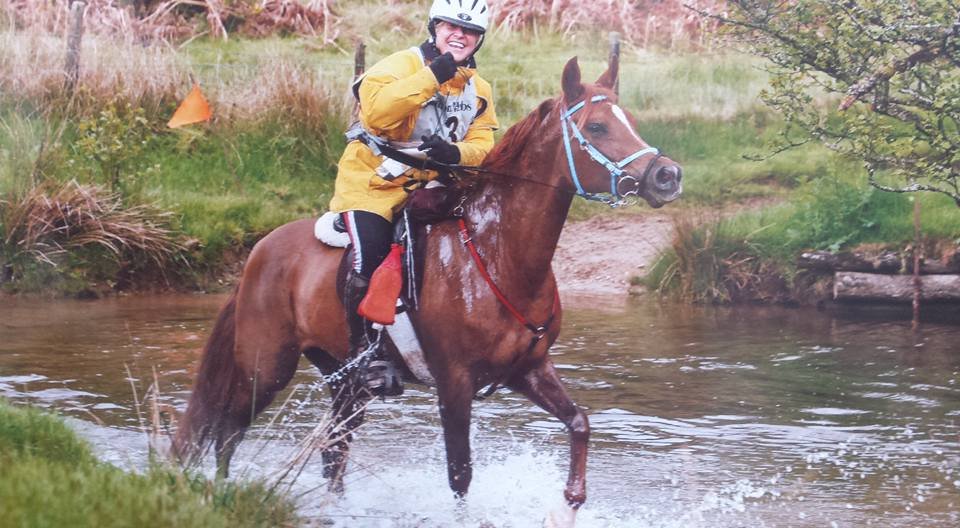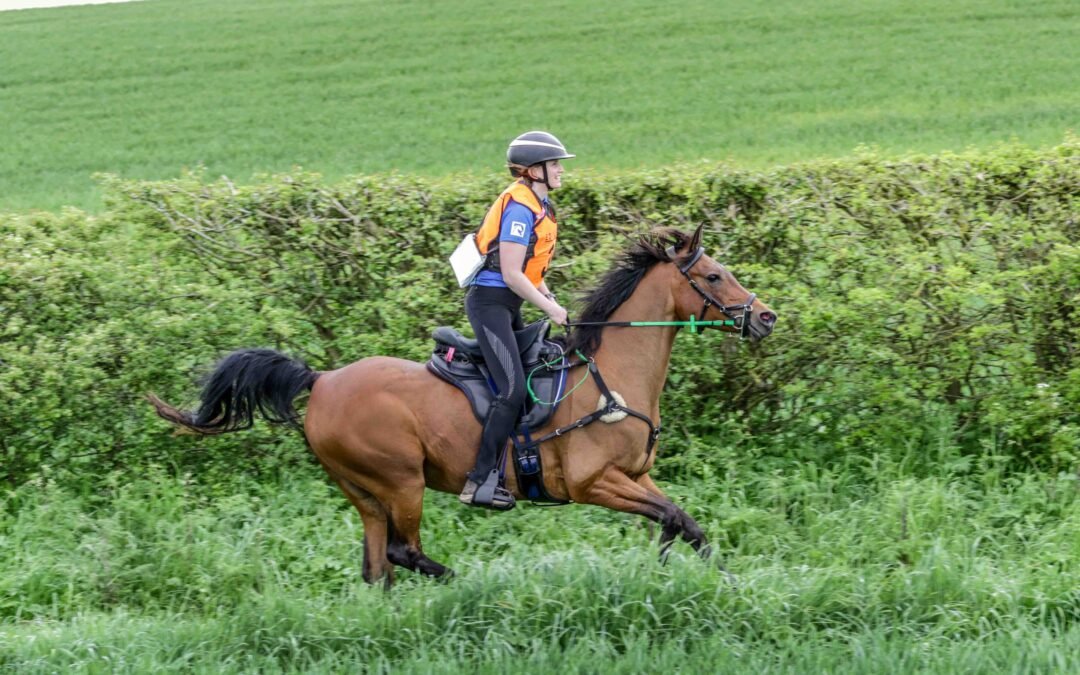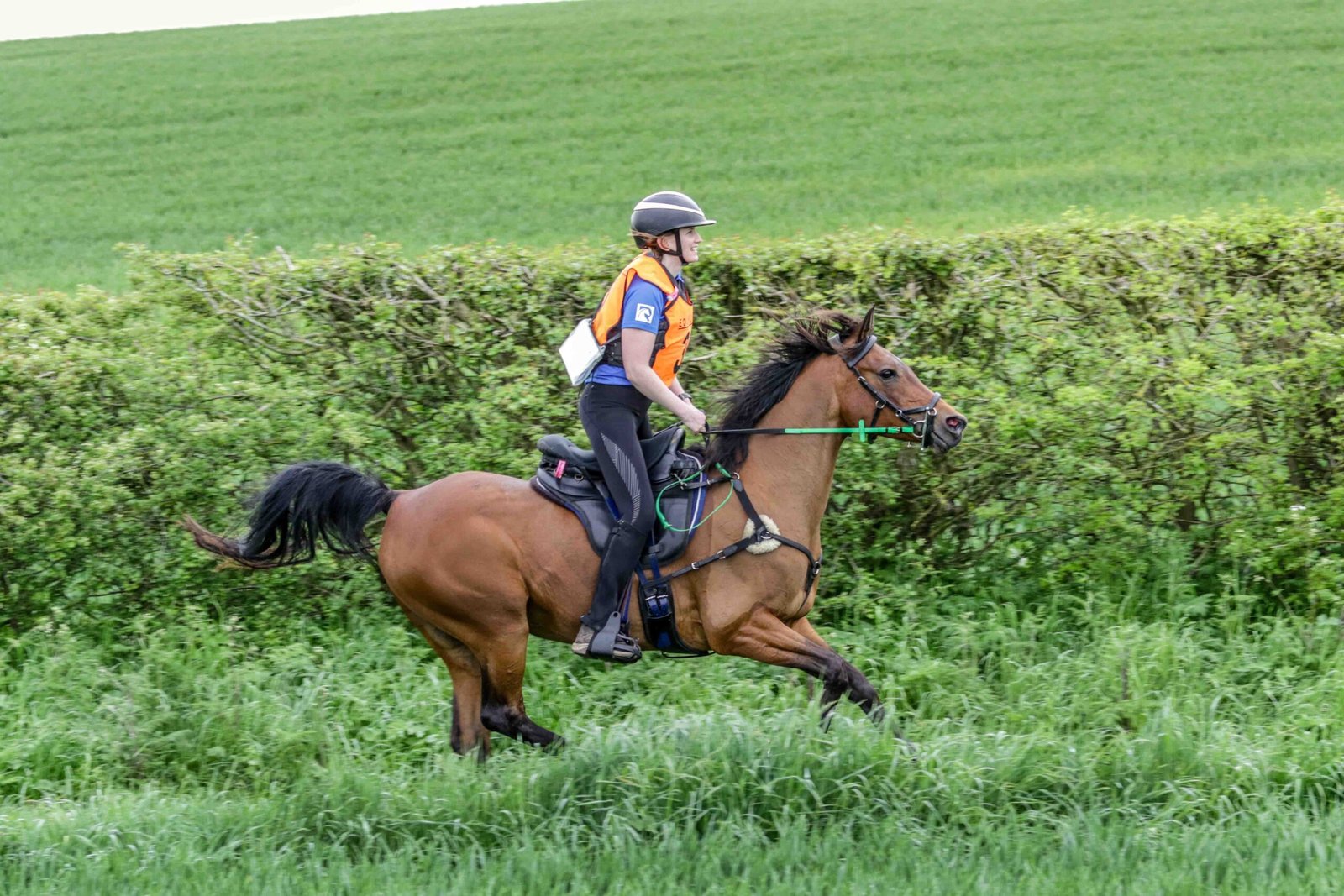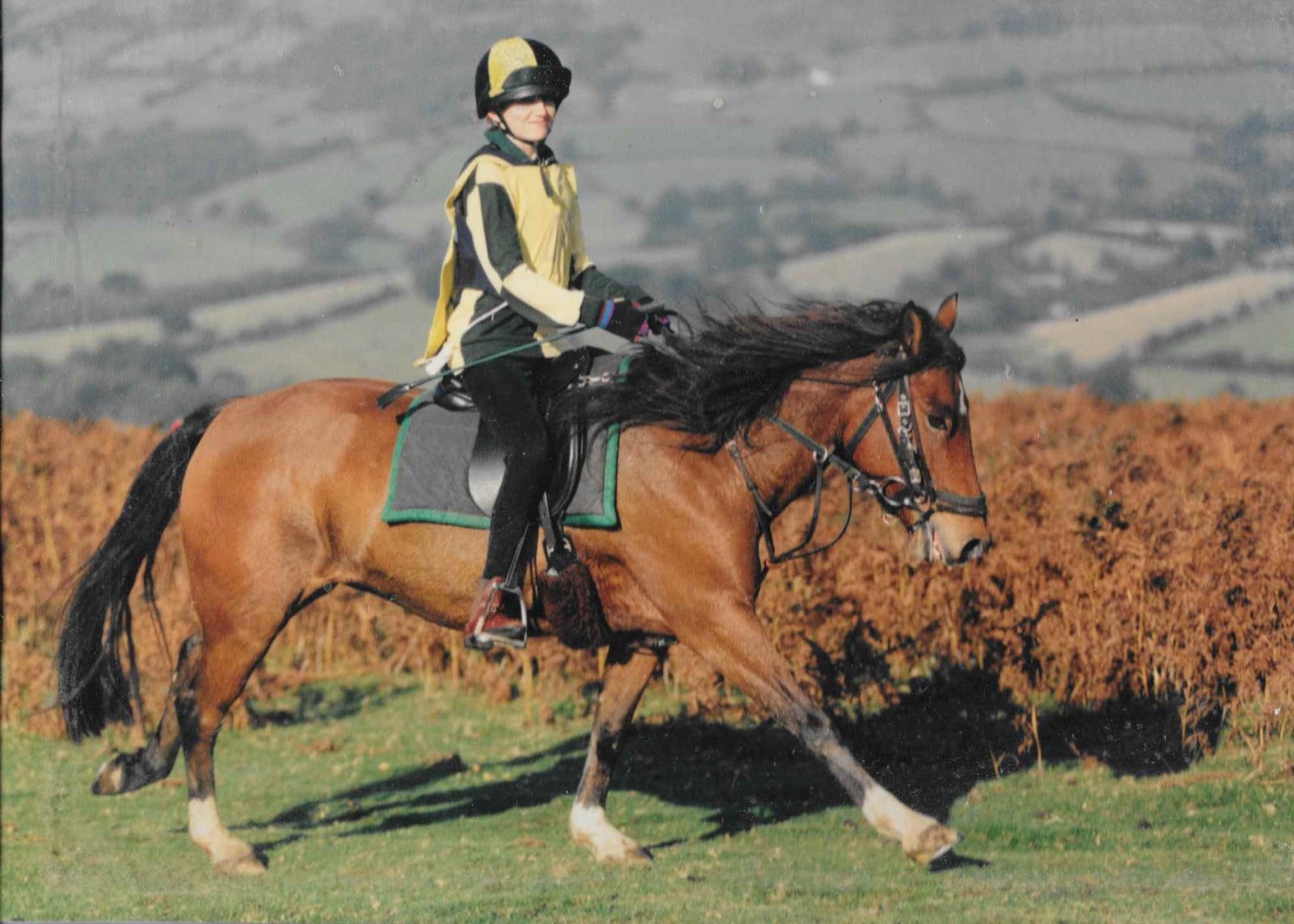
Sally Farrall, FEI Endurance Rider – Bespoke Program Review
Sally's Bespoke Program for Endurance Success
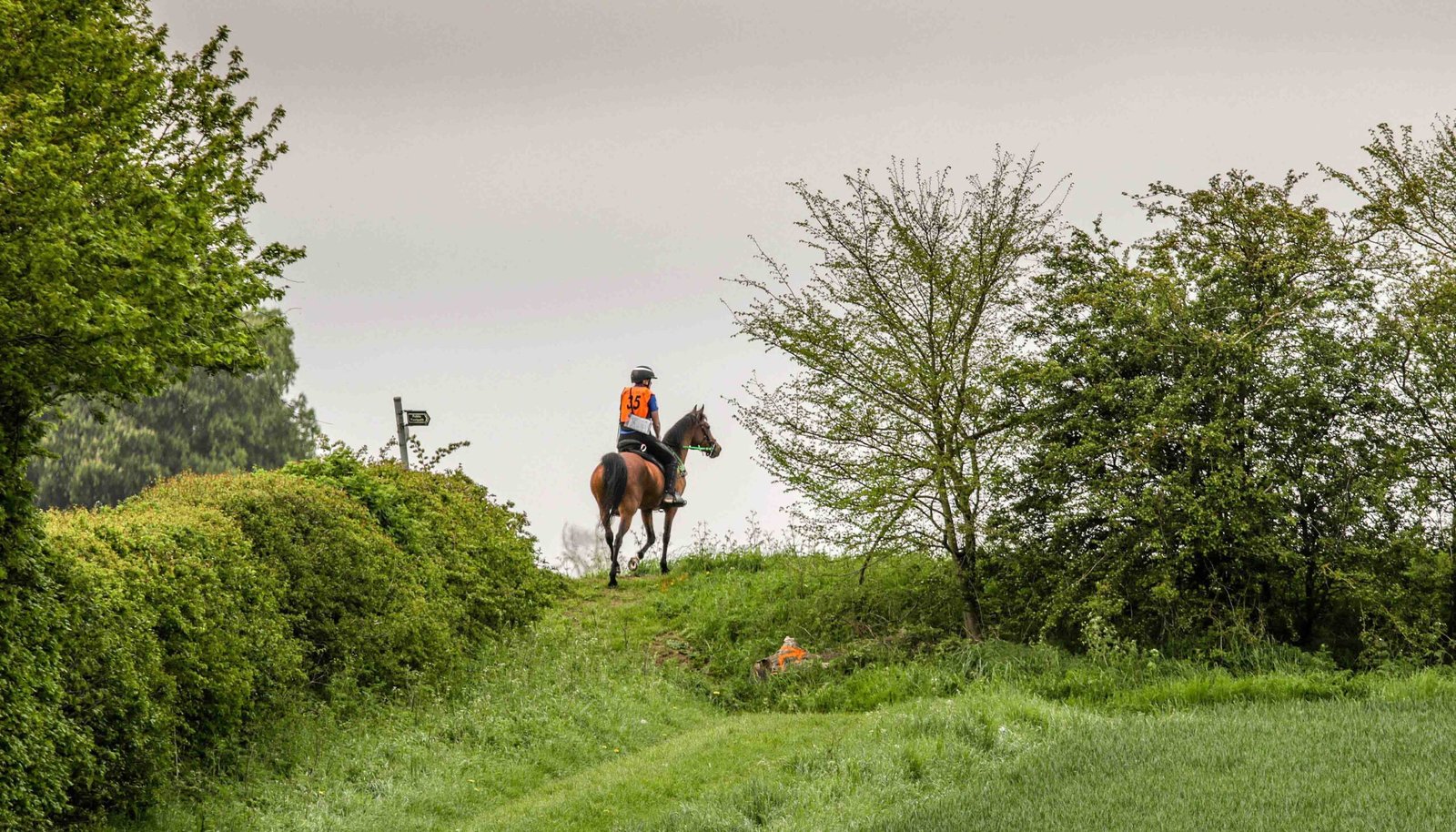
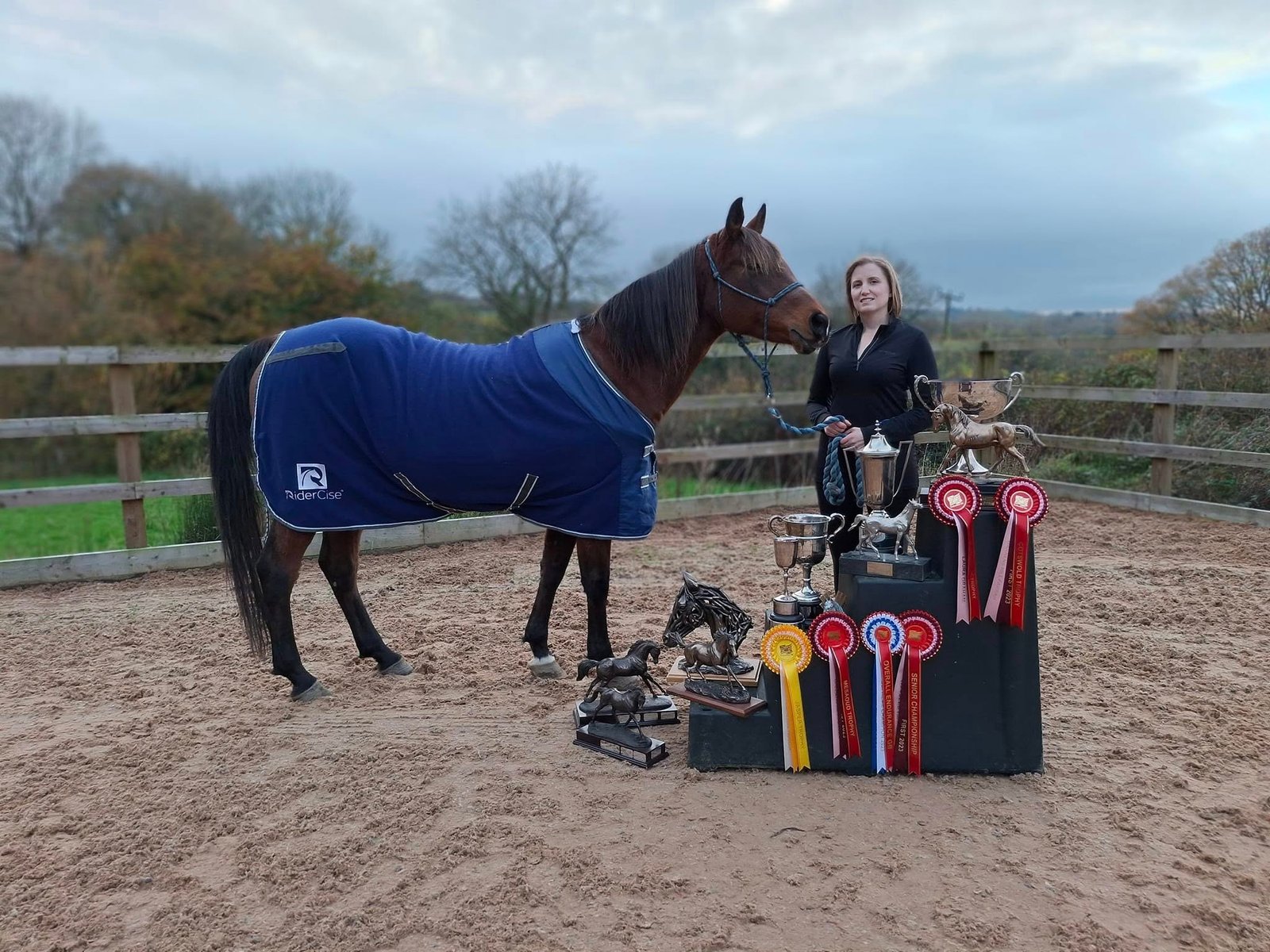
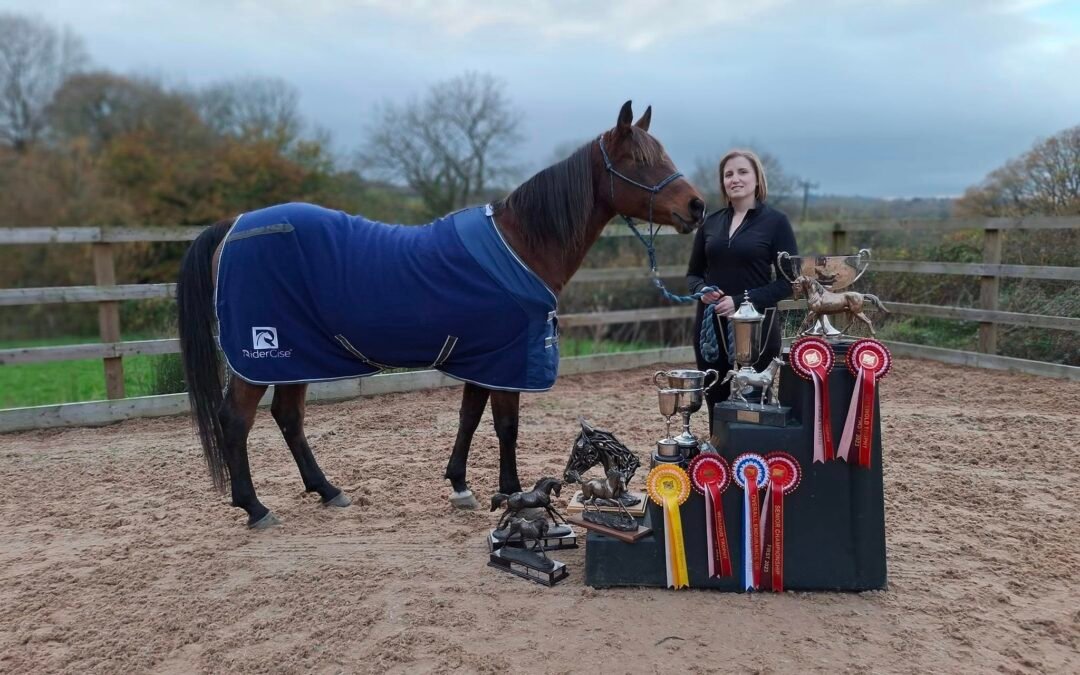
I have been an endurance rider for many years, competing up to FEI 2* and currently managing a team of three exceptional purebred Arabs, all at different stages of their career.
However, by the end of 2020, I had reached a breaking point. My self-belief had disappeared, and I had lost the joy of the sport. To make matters worse, I woke up in an ambulance after a particularly bad fall, suffering a severe loss of nerve.
I decided everything needed a reset—after all, “Do what you’ve always done, and you’ll get what you’ve always gotten.”

Why I Chose RiderCise for a Bespoke Program
A friend recommended RiderCise, and I started working with Clare in March 2021. I can truly say it has changed my life.
From the very first conversation, Clare took the time to understand my situation, discuss my goals, and explain how investing in my fitness and well-being could help me achieve them. Like many riders, I had spent time and money on my horses while neglecting my own physical development. At first, I didn’t realize how much this was holding me back. However, I now fully understand that if I don’t take care of myself, I risk becoming a burden to my horses.
As a Fitness Professional, Soft Tissue Therapist, skilled rider, and horse manager, Clare provided a comprehensive approach that made training more effective, enjoyable, and sustainable.
My Experience with the Bespoke Fitness Program
To help me develop a more independent seat, Clare designed a customized program to improve my proprioception and strength. Through this, I discovered and activated muscles I had only heard of but never felt before! The changes gave me security in the saddle and a huge boost in confidence.
As a result, I’m now taking on new challenges with all three horses—tasks that, a year ago, felt completely out of reach.
One of my horses has a tendency for sudden spooks. Previously, this would have thrown me off balance, but my automatic response now is a calm, “Thank you, Clare,” as I stay securely in the saddle.
“Do What You’ve Always Done, You’ll Get What You’ve Always Gotten.”
We progressed toward specific endurance competitions, with tailored training for each ride’s terrain and distance challenges. After every competition, we analyzed my performance, identified areas for improvement, and Clare incorporated them into the next program.
In addition to physical training, she also helped me manage nutrition challenges. I struggled to eat once adrenaline kicked in—a major issue in endurance sports. However, I now have a practical solution that works.
Because of RiderCise, I’ve felt strong throughout my competitions, and I know this has benefited my horses as well.
Most importantly, my recovery time has dramatically improved. After 40km rides, I barely feel like I’ve been on a horse, and even after longer endurance rides, I typically need just a day to feel fully recovered.
A Bespoke Program Key Benefits I Noticed:
✅ Improved Strength: Targeted workouts enhanced core and leg strength, leading to better stability in the saddle.
✅ Enhanced Balance: Balance-focused exercises helped me maintain correct posture, even on long-distance rides.
✅ Increased Confidence: As my fitness improved, so did my self-assurance, positively impacting my riding.
Since I enjoyed the workouts so much, Clare and I decided to shift focus during the winter break. Instead of endurance-specific training, I explored strength training with weights—something I had always wanted to try but found intimidating.
I’ve long known that weight training becomes more important as we age. However, the heavier the weights, the more daunting it seemed. Thankfully, Clare taught me the correct techniques, which allowed me to build confidence and challenge myself safely.
Next winter, I’ll definitely be back to it!

Final Thoughts on Working Directly with Clare on a Bespoke Program
Over the last 15 months, Clare has guided me through a progressive training program designed to develop strength and endurance carefully and effectively.
She has ensured that I first master technique, never feel overwhelmed, but always stay challenged enough to stay motivated.
Through regular check-ins, I have been able to refine my form, maximize results, and adapt training to evolving goals, horses, and competitions.
Clare has been there every step of the way—sharing her expertise, acting as a mentor, encouraging me, and holding me accountable (and hardly ever laughing at my laughing!).
And the best part? I’ve been able to do all of this from home.
Today, I am truly back in love with endurance riding and excitedly making future plans. RiderCise has played a huge role in this transformation.
A heartfelt thank you, Clare, for all your support so far—and long may it continue!
I am well and truly back in love with my sport and am thoroughly enjoying making plans for the future. Ridercise has played a HUGE part in this journey. A heartfelt thank you Clare for all your help so far – and long may it continue!
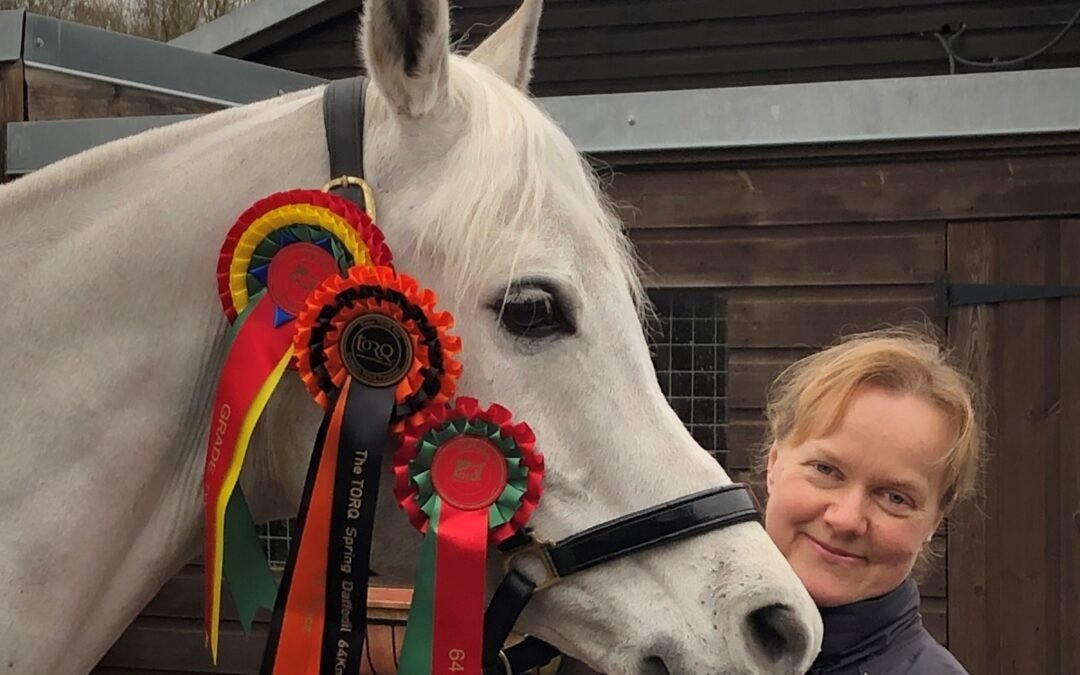
Sally Farrall (Sirius OS, Bashar Ibn Orion and Emeera Bint Orion)

Bespoke Program Coaching
Learn more about working directly with me on a Bespoke Program