
Improve Your Riding: If Riding Still Feels Harder Than It Should, Here’s Why
If you’re actively trying to improve your riding, but it still feels harder than it should, you’re not alone — and more importantly, you’re not doing anything wrong.
Many riders reach a point where progress quietly slows down or feels inconsistent. Lessons are still happening. You’re still showing up. You might even be stronger, fitter, or more experienced than you were before. And yet riding feels effortful in a way that’s hard to explain. Not dramatic. Just heavier. Noisier. Less fluid than it used to be.
Some days things feel fine. Other days you feel unbalanced, tense, or strangely disconnected from your body. You understand what your instructor is asking for, but your body doesn’t seem able to maintain it for long. Or you leave the yard physically tired rather than mentally satisfied, even after an otherwise “good” ride.
This is often when self-doubt creeps in.
Why does this still feel so hard?
Why does my body not do what I know it should?
Why does it feel like I’m fighting myself?
The issue here isn’t effort, discipline, or commitment. It’s that improving your riding requires more than riding more or trying harder. It requires understanding what your body has learned to do over time — and why it defaults to those patterns when you ride.
Improve Your Riding by Understanding What Your Body Is Doing
To genuinely improve your riding, you have to move beyond surface-level correction and cues, and start understanding how your body is organising itself in the saddle.
Your body doesn’t arrive on the horse as a blank slate. It brings with it years of experiences — not just from riding, but from life. How you sit at a desk. How you carry stress. How you’ve protected yourself through injury, fatigue, or uncertainty. All of that shapes how your body stabilises, balances, and reacts when you ride.
This is why two riders can be told the same thing in a lesson and have completely different experiences. One can apply it easily. The other understands it but cannot sustain it. That difference isn’t talent or effort — it’s organisation.
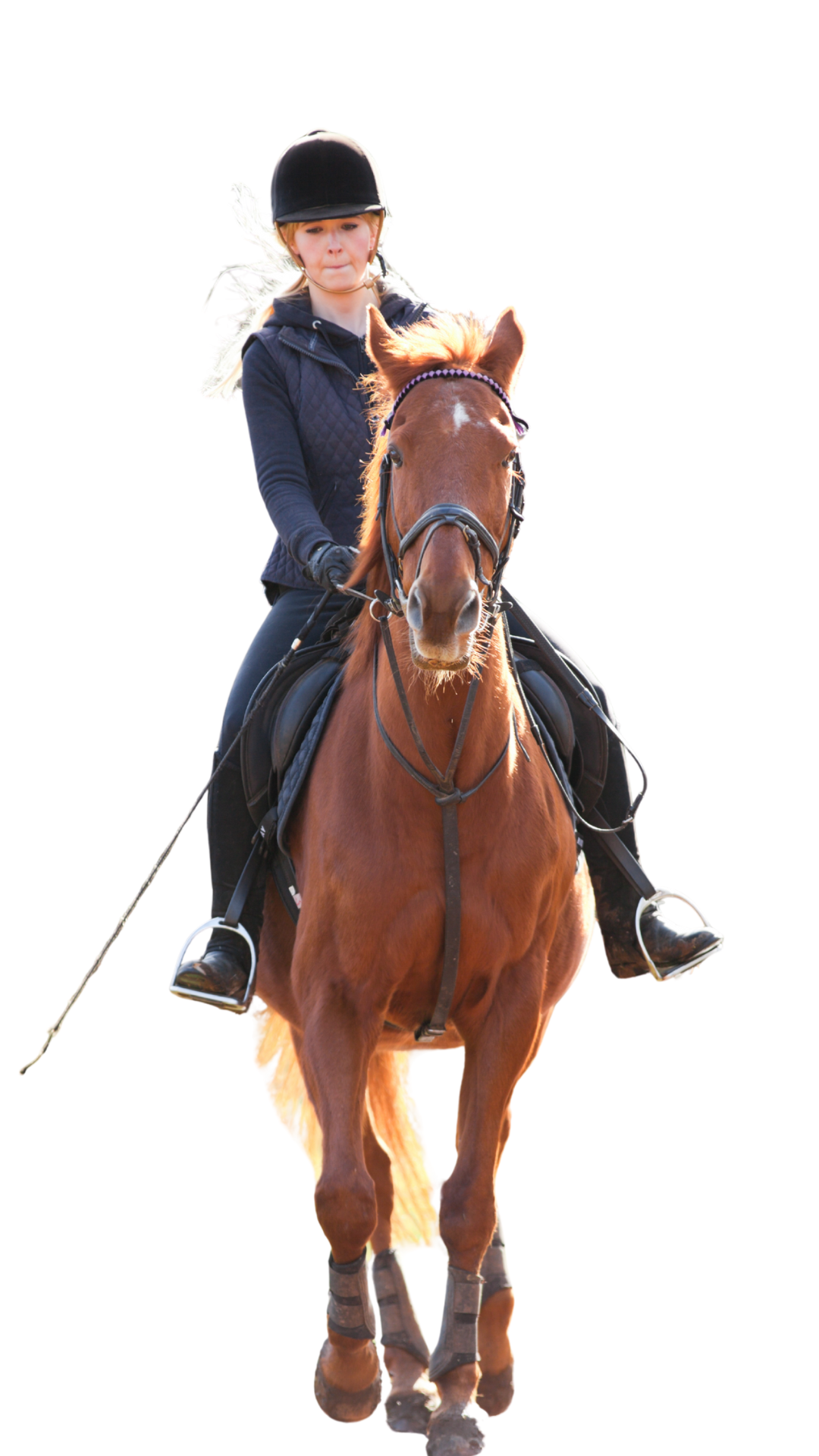
When riding feels harder than it should, it’s rarely because you’re incapable. More often, your body is quietly compensating — redistributing effort, tension, or balance to get the job done in the safest way it knows how. Until those compensations are understood, effort alone won’t resolve them.
Improve Your Riding Starts With Recognising Adaptation
Your body is designed to adapt. That’s how it keeps you upright, functioning, and safe.
If you’ve ever protected one side after an injury, braced to feel secure, tightened to stay in control, or collapsed to reduce effort, those responses weren’t mistakes. They were intelligent solutions at the time. Your body found a way to cope with the demands placed on it.
The problem is that the body doesn’t automatically discard those solutions once circumstances change.
Over time, short-term strategies become long-term habits. Habits become default movement patterns. And those patterns show up every time you ride, regardless of what you intend to do.
This is why being told to “relax” or “sit taller” can feel impossible. Your body isn’t ignoring instruction — it’s prioritising what feels familiar and safe. Recognising this removes blame and creates the foundation for real change.

Why Trying Harder Doesn’t Always Improve Your Riding
One of the most frustrating experiences as a rider is doing more and feeling like you’re getting nowhere.
You concentrate harder. You apply more effort. You ride more deliberately. And yet the same issues keep resurfacing. Sometimes they even feel more pronounced the more you try to fix them.
This happens because effort doesn’t override adaptation.
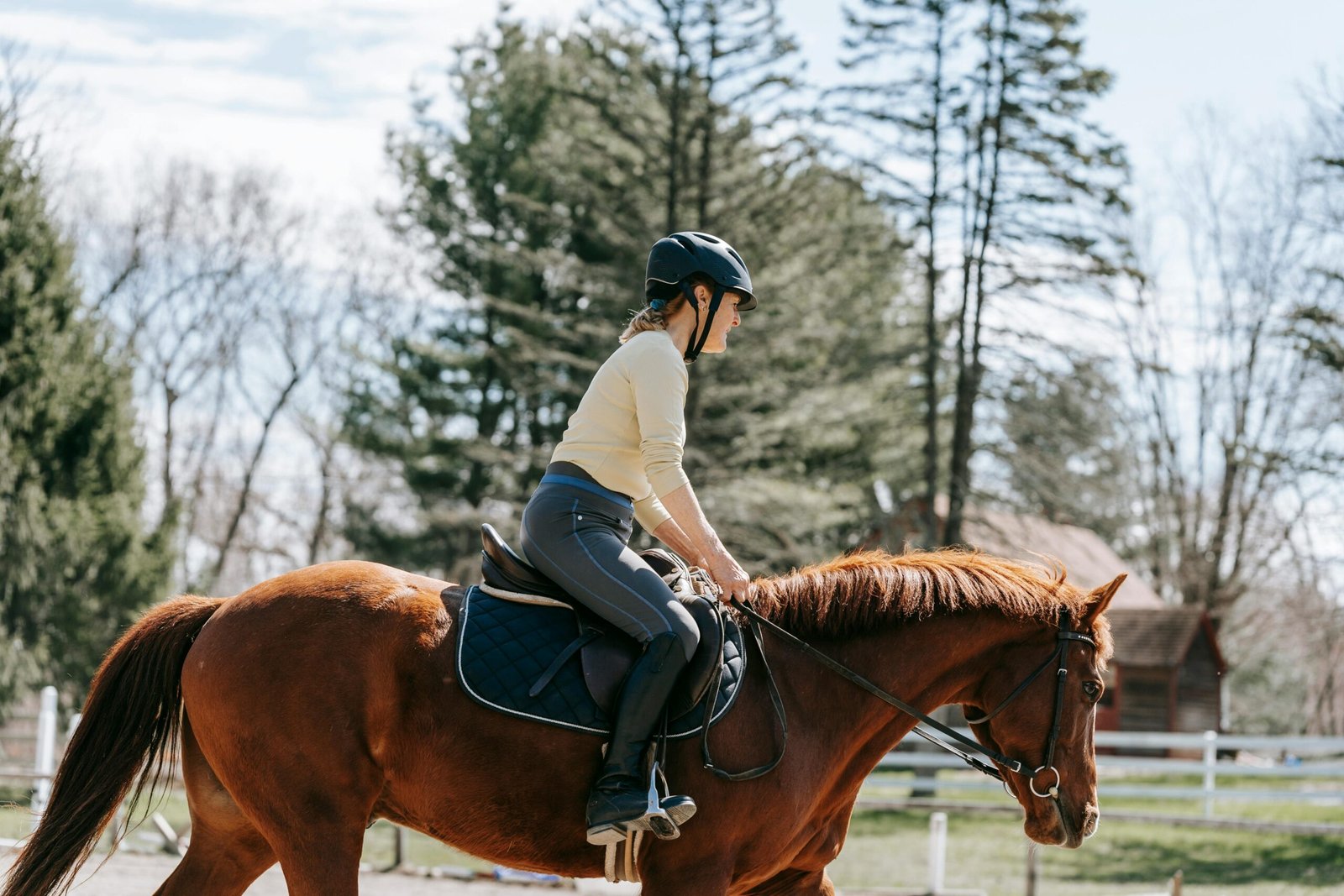
If your body doesn’t have the stability, coordination, or awareness to maintain a position, trying harder simply reinforces compensation. You might hold something briefly, but it will feel forced and unstable. As soon as attention drops, the body reverts to what it knows.
This is why riders often feel they can “find it” for a moment, then lose it again. The issue isn’t understanding or motivation. It’s that the body doesn’t yet have the capacity to support what’s being asked.
Improve Your Riding by Addressing the Root Cause, Not the Symptom
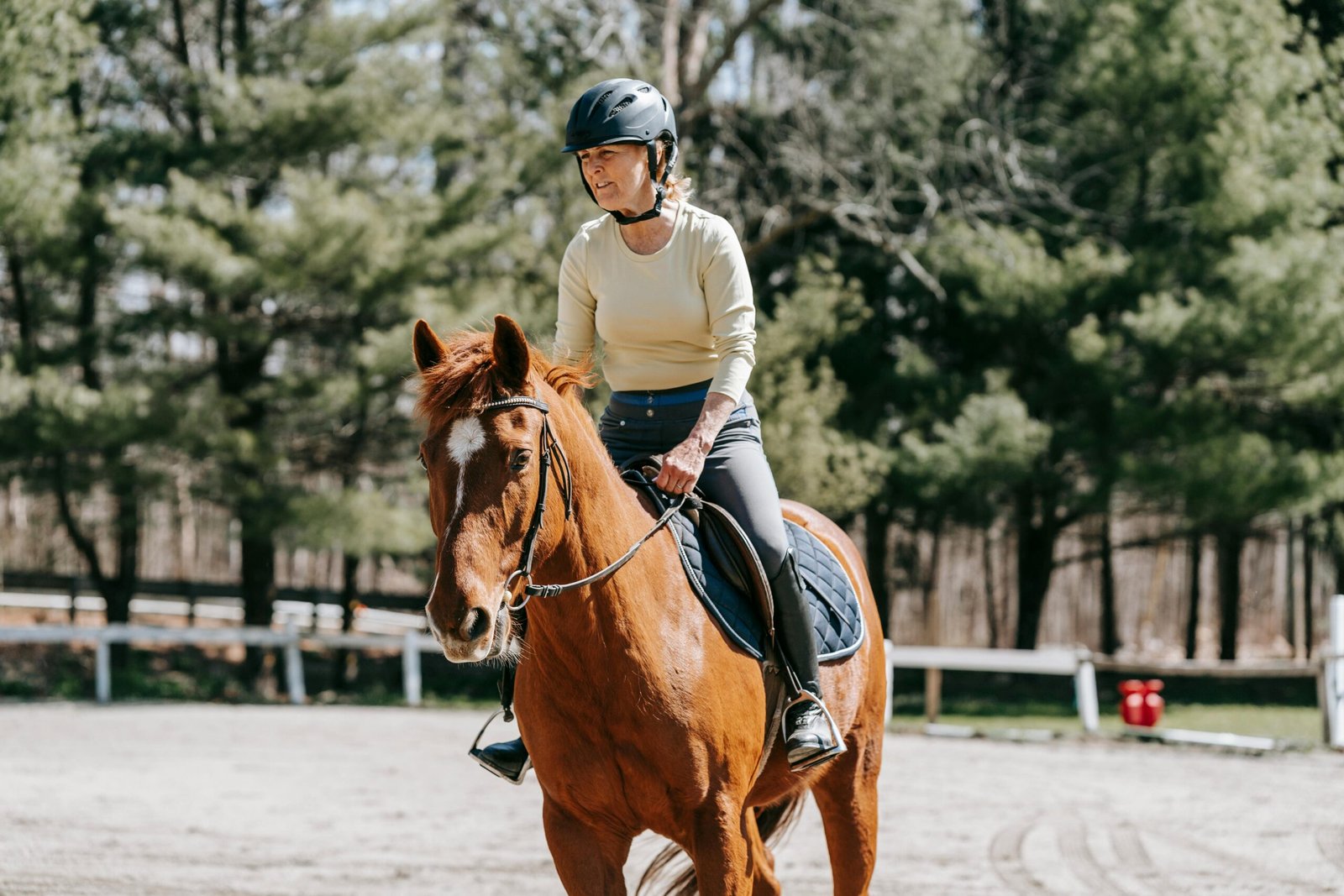
Most riders end up focusing on symptoms.
Uneven reins.
Collapsing through one side.
Gripping with the legs.
Losing balance in transitions.
But symptoms are signals. They’re the result of something else happening underneath.
When you chase symptoms, progress stays temporary. You fix one thing, another pops up. You feel like you’re constantly managing issues rather than moving forward.
Symptom
⬇️
Pattern
⬇️
Root Cause
When you address the root cause — how your body is organising itself and why — change becomes more stable. Positions feel easier to maintain. Balance becomes less effortful. Riding starts to feel quieter again.
How to Improve Your Riding Without Forcing Change
Lasting improvement doesn’t come from forcing your body into a shape it can’t maintain.
It comes from a clear order:
awareness first,
support second,
strength built on top.
When awareness comes first, you begin to notice patterns without judging them. When the body feels supported, it’s willing to change. Strength layered on top of that support actually transfers into the saddle, rather than being overridden by old habits.
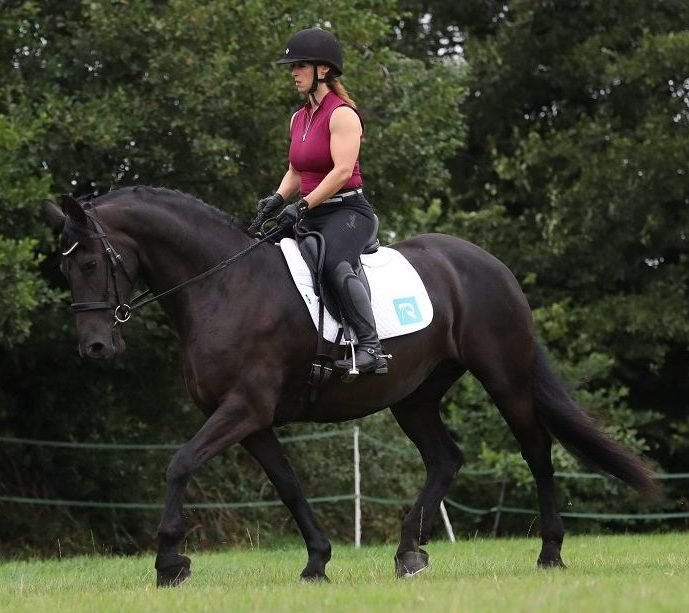
Riders often describe this as riding feeling lighter. Not because they’re doing less, but because their body isn’t fighting itself anymore.
Improve Your Riding Starts With Understanding
If riding still feels harder than it should, it doesn’t mean you’re failing.
It means your body has adapted — and now needs a different kind of input.
Understanding removes blame. It replaces frustration with clarity. And it creates a path forward that doesn’t rely on pushing, forcing, or starting over.
You don’t improve your riding by fighting your body.
You improve your riding by understanding it — and working with it.
If this resonates with you, the next step isn’t more effort — it’s insight.
I’ve created a free insight called “How I Assess Rider Movement — and What It Shows Me.” It walks you through the key movements I use to assess a rider off the horse, and explains what those patterns reveal about how your body is organising itself in the saddle.
To receive it, sign up to the RiderCise newsletter using the box below, and I’ll send it directly to your inbox.
If you’re already on my mailing list and would like it resent, email me at and I’ll make sure you have it.
Understand first. Then build properly.